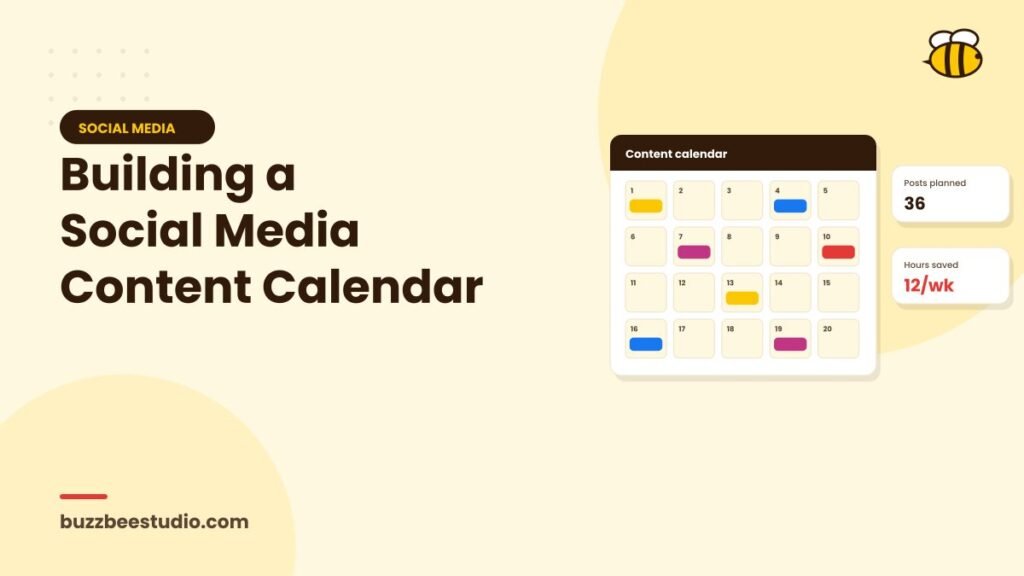
Posting on social media without a plan often leads to long silences, last-minute scrambling and random posts that don't support your business. A content calendar solves this. It's a schedule of what you'll post, where and when, planned in advance. It helps you stay consistent, balance content types and prepare for important dates.
Why use a content calendar?
- Consistency: regular posting builds audience habits and trust.
- Strategy: content supports business goals rather than filling space.
- Efficiency: batch planning and creation save time.
- Collaboration: everyone knows what's coming and who's responsible.
- Preparation: key dates and campaigns are planned early.
Step 1: Set goals
What should social media achieve for your business? Examples:
- Increase brand awareness in specific communities.
- Generate enquiries for key services.
- Promote a new product launch.
- Build a community around your brand.
- Support recruitment.
Your goals determine your content mix.
Step 2: Choose your platforms
Focus on platforms where your audience is active and where you can maintain quality. Many businesses do better with two well-run platforms than five neglected ones.
Step 3: Define content pillars
Content pillars are the main themes you'll post about. Choose three to five, for example for a renovation company:
- Projects: before-and-after transformations.
- Education: tips, guides and FAQs.
- People: team, behind the scenes and culture.
- Proof: reviews and customer stories.
- Offers and news: promotions and announcements.
Rotate pillars to keep content varied.
Step 4: Decide on posting frequency
Choose a frequency you can sustain. For example:
- Instagram: three to four feed posts or Reels per week, plus regular stories.
- Facebook: two to three posts per week.
- LinkedIn: two to three posts per week.
- TikTok: three or more videos per week if you're committed to the platform.
Consistency matters more than volume.
Step 5: Map key dates
Add important dates to your calendar:
- Islamic occasions such as Ramadan and Eid, checking dates each year.
- UAE National Day and other public holidays.
- Shopping events such as Dubai Shopping Festival and White Friday.
- Back-to-school season.
- Industry events and exhibitions.
- Your own launches, anniversaries and promotions.
Plan content for these moments weeks in advance.
Step 6: Choose your calendar tool
Options include:
- Spreadsheets: simple and flexible.
- Project management tools: such as Trello, Asana or Notion.
- Social media scheduling tools: such as Meta Business Suite, Hootsuite, Buffer or Later.
Your calendar might include columns for:
- Date and time.
- Platform.
- Content pillar.
- Format: Reel, carousel, image, story or text.
- Topic and caption.
- Visual assets.
- Call to action.
- Owner.
- Status: idea, in progress, approved or scheduled.
- Results after posting.
Step 7: Plan a month at a time
Plan at least two to four weeks ahead. Leave some space for timely posts, such as news, trends or reactive content.
Step 8: Batch create content
Set aside time to create several pieces at once:
- Film multiple Reels in one session.
- Design a batch of graphics using templates.
- Write captions for the whole week.
Batching saves time and keeps quality consistent.
Step 9: Schedule posts
Use scheduling tools to publish automatically at chosen times. Check your analytics to see when your audience is most active, and adjust timing accordingly. Remember that behaviour shifts during Ramadan and summer.
Step 10: Review and improve
At the end of each month, review performance:
- Which posts reached and engaged the most people?
- Which pillars performed best?
- Which formats worked?
- Did posts lead to enquiries or sales?
Use these insights to plan the next month.
Tips for success
- Repurpose content: turn a blog post into a carousel, a Reel and a LinkedIn post.
- Keep a content ideas bank: note ideas whenever they come up.
- Involve your team: staff can share photos, stories and questions from customers.
- Plan bilingual content if you target Arabic and English audiences.
- Stay flexible: the calendar is a guide, not a cage.
Approvals and workflow
If several people review content, agree a simple approval workflow and deadlines so posts aren't delayed.
Final thoughts
A social media content calendar turns scattered posting into a steady, strategic presence. Set goals, choose pillars, map key dates, batch create and review results regularly. Over time, your calendar becomes a reliable engine for awareness and enquiries.
Buzz Bee Studio plans and manages social media calendars for UAE businesses. Contact us for help building yours.