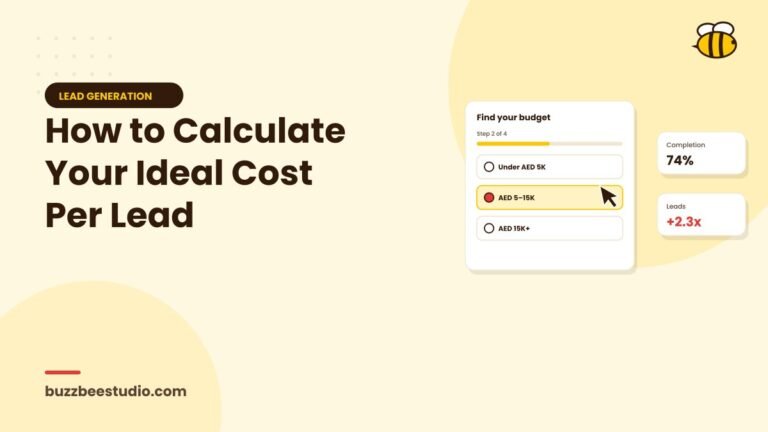
A busy sales team can waste hours chasing enquiries that were never going to buy: people outside your service area, with no budget, or simply browsing. Lead qualification separates promising leads from the rest, so your team can focus on the conversations that bring revenue.
What lead qualification means
Qualification is the process of checking whether a lead matches your ideal customer and is likely to buy. It usually happens in stages: some checks are automatic, some happen in the first conversation, and some develop as the relationship continues.
A qualified lead typically has:
- A real need that you can solve.
- The ability to pay at your price level.
- The authority to make or influence the decision.
- A realistic timeline.
- A good fit with your location, capacity and specialities.
Popular qualification frameworks
BANT
A classic framework covering:
- Budget: can they afford it?
- Authority: are they the decision maker?
- Need: do they have a problem you solve?
- Timing: when do they want to proceed?
It's simple and works well for many service businesses.
CHAMP
A variation that puts need first:
- Challenges: what problem are they facing?
- Authority: who's involved in the decision?
- Money: is there budget?
- Prioritisation: how urgent is it?
Your own checklist
You don't need a formal framework. Many small businesses work best with a short checklist of three to five questions specific to their service.
Qualify before the conversation
You can filter some leads before anyone picks up the phone.
Smart forms: add one or two questions such as service needed, area, preferred date or budget range. Keep it short, because too many fields reduce enquiries.
Clear ad targeting: show ads only in areas you serve and to relevant audiences.
Transparent messaging: mentioning starting prices or minimum order values in ads and on landing pages discourages poor-fit enquiries.
Chatbots and AI assistants: an automated assistant on your website or WhatsApp can ask qualifying questions instantly and route leads accordingly.
Qualify in the first conversation
The first call or chat should confirm the essentials. Prepare a few natural questions:
- "What prompted you to look for this service now?"
- "Where is the property or business located?"
- "When are you hoping to get started?"
- "Have you had any quotes or tried other providers?"
- "Is anyone else involved in the decision?"
- "Do you have a budget range in mind?"
Ask conversationally rather than like an interrogation. Listening carefully often reveals more than the answers to direct questions.
Grade your leads
After qualification, sort leads into groups:
- Hot: good fit, ready soon. Prioritise and move to proposal or booking.
- Warm: good fit but not ready, or missing information. Nurture and follow up.
- Cold: poor fit or very early stage. Add to long-term nurturing, or politely decline.
- Disqualified: outside your area, wrong service, spam or no genuine interest.
Record the grade and reason in your CRM. Over time, this data shows which campaigns bring the best leads.
Don't over-qualify
Be careful not to filter out good customers too early. Someone who says "just checking prices" may become a great client with the right follow-up. And asking about budget too bluntly can put people off. Balance efficiency with good service.
Feed results back to marketing
Qualification data is gold for your marketing:
- Which channels produce the most hot leads?
- Which keywords or audiences bring poor-fit leads?
- Which offers attract serious buyers?
Share this with whoever runs your ads. Many platforms, including Google and Meta, can optimise towards qualified leads if you send them that information.
Make qualification part of your routine
Qualification only works if it happens consistently. Add the key questions to your CRM or lead form as required fields, so every lead record shows the answers. Review a sample of disqualified leads each month to check the criteria are still right. As your services, prices or capacity change, update the questions so your team keeps focusing on the leads that matter most.
Be honest with poor-fit leads
If a lead isn't right for you, say so politely and, where possible, suggest an alternative. A helpful "no" builds goodwill and often leads to referrals later.
Final thoughts
Lead qualification saves time, improves conversion rates and makes marketing smarter. Combine light filters in your forms and ads with a few well-chosen questions in the first conversation, grade every lead and feed the results back into your campaigns.
Buzz Bee Studio sets up lead qualification, from smarter forms to AI assistants and CRM tracking. Contact us to bring better leads to your sales team.